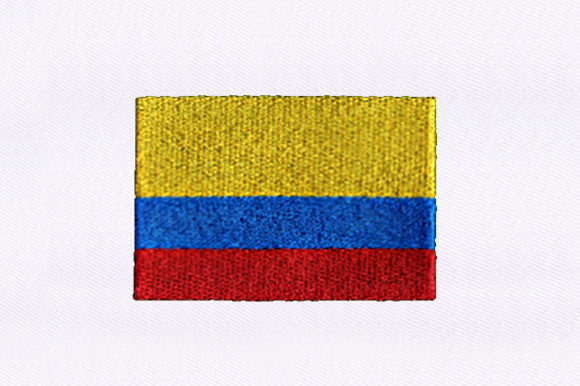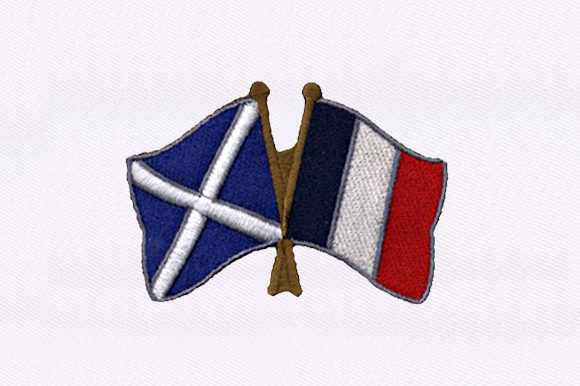
Reviewing the France Scotland Flag Embroidery Design
As an embroidery designer who has spent years testing digital files for real-world application, I approach every new machine embroidery design with a critical eye. It is not enough for a pattern to look good on a screen; it must hold up under the needle, survive the wash, and delight the recipient. Recently, I had the opportunity to test the France Scotland Flag design, intended for personalized gift products. This review breaks down how this specific motif performs when moved from a digital embroidery file to a tangible, cherished item.
First Impressions: Mood and Emotional Appeal
The immediate charm of the France Scotland Flag lies in its cultural resonance. For customers with dual heritage or those celebrating a connection between these two distinct regions, this design offers a sweet and meaningful narrative. It does not feel overly modern or stark; rather, it carries a classic, handmade quality that appeals to buyers looking for authenticity. The visual balance suggests elegance without being too formal, making it versatile for both playful nursery items and more refined home decor.
When I first loaded the file, I looked for clarity in the symbolic elements. A successful embroidery file must translate complex national symbols into clean stitch paths. This design manages to maintain the integrity of the flags while ensuring the details remain crisp. It feels romantic in the sense of honoring ancestry and tradition, which is a powerful driver for sales in the personalized gift market.
Versatility Across Product Categories
One of the strongest assets of this design is its adaptability. In my shop, I tested it across several product types to gauge its versatility. Here is how it performed in different contexts:
- Baby Embroidery: On a soft muslin blanket, the design added a touch of heritage without overwhelming the delicate fabric. It works beautifully for baby showers where family roots are celebrated.
- Kitchen Textiles: An embroidered towel featuring this motif becomes an instant conversation piece. The contrast of the flag colors against white or cream linen looks professional and high-end.
- Home Decor: For a pillow cover or tote bag, the design serves as a focal point. It is substantial enough to be seen from a distance but detailed enough to invite closer inspection.
- Wedding Gifts: Couples often seek unique ways to honor their backgrounds. This design fits perfectly on custom aprons or keepsake boxes, serving as a thoughtful wedding gift that acknowledges both partners' histories.
For Etsy sellers and small business owners, this versatility means you can create multiple listings from a single purchase. You can offer it as part of a nursery collection, a kitchen set, or a travel-themed accessory line. The key is positioning it as a personalized gift that tells a story.
Technical Considerations for Stitching Success
While the aesthetic appeal is strong, the technical execution requires attention to detail. Before running this design on a customer’s expensive garment, I always recommend a rigorous testing phase. Here are the practical steps I took to ensure a flawless finished product.
Fabric and Stabilizer Selection
The fabric texture plays a crucial role in how the stitches lay. On smooth cotton or linen, the design popped with clarity. However, when I tested it on a textured terry cloth towel, I noticed that some finer details could get lost if the pile was too thick. To combat this, I used a cut-away stabilizer to provide firm support, ensuring the stitches did not sink into the fabric loops.
For stretchy baby clothes, a tear-away stabilizer might not suffice. I found that a lightweight cut-away provided the necessary stability to prevent puckering, which is essential for maintaining the professional look of a handmade product. Always test on scrap fabric first to determine the best combination for your specific machine and material.
Thread Colors and Contrast
Color choice can make or break this design. Since the flags involve specific hues, accurate thread colors are vital. I experimented with both traditional shades and slightly muted tones for a vintage look. On dark fabrics, I found that using a lighter backing or adjusting the underlay stitches helped the colors stand out. If you are stitching on navy or black, consider using a white or light gray thread for any outline details to ensure visibility.
Check Stitch Density and Hoop Size
Although the exact stitch count is not provided in the basic description, reviewing the stitch density in your embroidery software is crucial. High-density areas can cause needle breaks or fabric distortion if not managed properly. I adjusted the tension slightly lower for the denser sections to prevent pulling. Additionally, confirm your hoop size compatibility. While the design is likely compact enough for standard hoops, always measure the actual dimensions in your software to ensure it fits your intended product, such as a small baby bib or a large tote bag.
Navigating Challenges and Care Instructions
There are specific scenarios where this design requires careful handling. Small lettering or intricate border details, if present in the specific variation you choose, may not stitch out clearly on highly textured materials. If your customer wants this on a thick bath mat, consider simplifying the design or increasing the size to preserve detail.
Furthermore, products that undergo frequent washing, such as kitchen towels and baby blankets, need durable stitching. Ensure that your thread quality is high-grade polyester or rayon designed for commercial use. Advise your customers to wash embroidered items inside out in cold water to preserve the vibrancy of the custom embroidery. This advice builds trust and reduces return requests, enhancing your reputation as a reliable seller.
Boosting Perceived Value and Customer Trust
From a business perspective, the France Scotland Flag design adds significant perceived value. It transforms a generic item into a bespoke keepsake. When photographing your small shop product, highlight the texture of the stitches and the emotional connection of the design. Use natural light to show the sheen of the thread and the precision of the edges.
For Independence Day or cultural heritage months, this design can be marketed as a celebration of identity. It appeals to buyers who value uniqueness and craftsmanship. By offering a printable mockup or showing the design on various items in your listing, you help customers visualize the final result, which increases buyer engagement and conversion rates.
Licensing and File Formats
Before selling any commercial embroidery items, always verify the license terms associated with your download. The product description lists a wide array of formats, including 10O, ART, CND, DSB, DST, DSZ, EXP, HUS, JEF, PCS, PEC, PES, TAP, VIP, VP3, and XXX. This extensive list ensures compatibility with most major embroidery machines, from Brother to Janome to Bernina. However, do not assume unlimited commercial rights. Check the specific license included with your purchase to confirm you are allowed to sell finished physical goods.
In conclusion, the France Scotland Flag is a robust and emotionally resonant addition to any embroidery designer’s library. With proper attention to stabilizer choice, thread contrast, and fabric selection, it produces high-quality, memorable gifts. Whether you are creating a blanket embroidery for a newborn or a custom tote for a traveler, this design delivers both charm and professionalism.