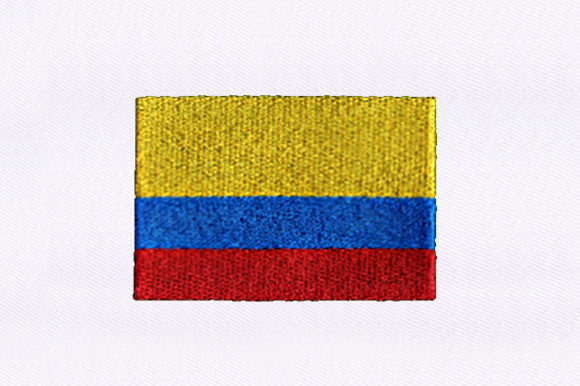
Reviewing the Flag of Colombia Embroidery Design
As an embroidery designer who has spent countless weekends behind a craft fair booth, I have learned that not every digital file translates into a bestseller. When I pulled up the Flag of Colombia machine embroidery design to evaluate it for my upcoming Independence Day collection, I was looking for more than just patriotic sentiment. I was looking for a product that would stop traffic in a busy aisle and convert browsers into buyers. This review breaks down how this specific design performs from a production and sales perspective.
First Impressions and Visual Appeal
The first thing you notice about the Flag of Colombia is its boldness. The yellow, blue, and red color palette is inherently high-contrast, which is a massive advantage in a crowded market setting. Unlike subtle farmhouse motifs or intricate minimalistic line art, this design screams for attention. It feels festive and proud, making it an ideal candidate for seasonal displays. For an Etsy seller or boutique maker, this visual impact is crucial. It does not blend into the background; it demands to be seen.
However, bold colors require careful handling. In person, the vibrancy of the thread must match the expectation set by the digital preview. If the yellow is too muted or the red leans toward orange, the design loses its authority. As a small shop product, consistency in thread choice is key to maintaining a premium look.
Versatility Across Product Categories
One of the strongest assets of this digital embroidery file is its adaptability. I tested the concept across several common craft fair product categories to see where it shined brightest.
- Tote Bags: This is arguably the best application. A canvas tote provides a flat, stable surface that allows the flag’s proportions to remain accurate. The tote bag design becomes a statement piece, perfect for customers wanting to show heritage or support.
- Aprons and Tea Towels: For kitchenware, the design adds a pop of color. Apron embroidery works well if placed on the bib, while tea towel embroidery requires a smaller version to avoid overwhelming the fabric texture.
- Caps and Hats: Curved surfaces are tricky. The flag must be scaled down significantly to fit a standard cap front. Here, stitch density becomes critical to prevent puckering on the structured fabric.
- Embroidered Patches: Creating iron-on or sew-on patches allows for batch production. You can embroider dozens of patches on a single hooping session, then cut and finish them later. This is highly efficient for commercial embroidery workflows.
Production Practicalities and Technical Notes
Before running this design on your commercial machines, there are technical factors to consider. The product description lists an extensive range of embroidery file formats, including DST, PES, JEF, EXP, and VIP. This wide compatibility is excellent for sellers using different brands of machines, from Brother to Janome to Bernina. However, having the file is only half the battle.
You must check the stitch density. Flags often contain large blocks of solid color. If the density is too high, the fabric may pucker or the needle may break. If it is too low, the backing material might show through, ruining the clean look. Always test the design on scrap fabric that matches your final product material. For dark fabrics, ensure the design includes proper underlay stitches to prevent the base color from bleeding through the bright yellow or red threads.
Another consideration is the hoop size. Since the exact dimensions are not specified in the brief, you must verify which hoop sizes are supported. A design meant for a 5x7 hoop will not work in a 4x4 without resizing, which can distort the aspect ratio of the flag. Never stretch a flag design disproportionately; it looks unprofessional and disrespectful to the symbol.
Selling Strategy and Market Fit
For Independence Day events or cultural festivals, this design is a powerhouse. It taps into emotional buying. Customers are not just buying a piece of cloth; they are buying identity and pride. To maximize sales, pair the embroidered item with complementary colors in your booth display. Use neutral backgrounds to let the yellow, blue, and red pop.
Photography is equally important. When creating your printable mockup or online listings, ensure the lighting captures the sheen of the thread. Flat lighting can make embroidery look dull. Use side lighting to highlight the texture and depth of the stitches. This helps online buyers understand the quality of the finished product.
Common Pitfalls to Avoid
- Ignoring Fabric Texture: Textured towels can cause small details to get lost. Ensure the design is simplified enough for terry cloth if used on kitchen items.
- Poor Stabilizer Choice: For stretchy fabrics like those used in some pouches or caps, use a cut-away stabilizer. For woven cottons like tote bags, a tear-away may suffice, but test first.
- Neglecting Commercial Licensing: Always confirm the license terms included with your design assets. Ensure you have the right to sell finished products made with this file. Most standard licenses allow this, but it is vital to read the fine print.
Final Verdict for Craft Entrepreneurs
The Flag of Colombia is a strong contender for any embroidery business looking to expand its patriotic or cultural lineup. It is bold, recognizable, and emotionally resonant. While it requires attention to technical details like density and stabilization, the payoff in customer engagement is worth the effort. Whether you are selling at a local fair or listing on Etsy, this design offers the versatility needed for various handmade products.
Remember, the success of this design lies in execution. Take the time to create a real mockup, compare thread colors against physical swatches, and ensure your stitching is crisp. When done correctly, this machine embroidery design becomes more than just decoration; it becomes a centerpiece of your brand’s storytelling. For creative entrepreneurs, that is the ultimate goal: creating items that people are proud to own and wear.