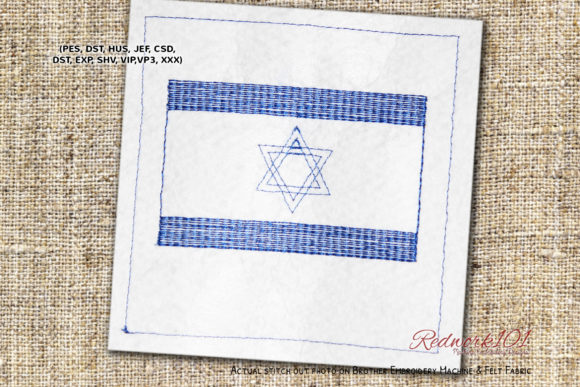
Israel Flag Embroidery: A Designer’s Review for Business Merch
As an embroidery designer who has spent years digitizing files and consulting with small business owners, I approach every new machine embroidery design with a critical eye. It is not just about whether the image looks good on a screen; it is about how that design translates into thread, how it holds up on fabric, and ultimately, how it serves the brand identity of the client using it. Recently, I reviewed the Israel Flag design, specifically looking at its potential for small business merchandise, branded patches, and commercial apparel. This review focuses on the practical application of this Embroidery asset for entrepreneurs, Etsy sellers, and boutique owners.
First Impressions: Visual Personality and Professionalism
The first thing that strikes me about the Israel Flag design is its inherent boldness and clarity. In the world of branding, simplicity often equates to professionalism. This design does not rely on excessive detailing or fragile lines that might get lost in translation. Instead, it offers a clean, recognizable symbol that communicates strength and heritage. For a handmade brand or a local business, this visual personality is crucial. It feels classic yet modern, capable of sitting comfortably alongside contemporary logo marks without clashing.
The description notes that "The Box Stitch shown in picture is optional." This is a significant detail for a professional reviewer. Optional border stitches provide flexibility. For a rustic café or a florist, keeping the box stitch can frame the design nicely, giving it a finished, patch-like appearance even when embroidered directly onto fabric. However, for a sleek tech startup or a modern apparel line, skipping the outer box allows the flag to float more freely, integrating seamlessly into a minimalist aesthetic. The ability to skip the color directly in the design software means you have control over the final look, ensuring it aligns with your specific brand identity.
Real-World Applications for Small Business Merch
When I evaluate a digital embroidery file, I immediately visualize it on various products. The Israel Flag is versatile enough to serve multiple roles in a product lineup. Here is how it performs in real business scenarios:
- Embroidered Patches: This is perhaps the strongest use case. The design’s solid shapes and clear colors make it ideal for iron-on or sew-on patches. These can be sold as standalone items or used as value-added gifts for customers who purchase other goods.
- Staff Uniforms and Aprons: For businesses in the food service or hospitality sector, such as a kosher bakery or a cultural café, this design works beautifully on apron pockets or chest areas. It adds a touch of cultural pride and professionalism to staff attire.
- Cap Embroidery: Placed on the front panel of a baseball cap, the design acts as a strong focal point. However, due to the curved surface of a cap, one must be mindful of the design’s width to ensure it does not distort.
- Tote Bag Design: Canvas tote bags are a staple for eco-friendly brands. The Israel Flag provides a striking contrast against natural canvas or dark denim, making it a popular choice for event merch or daily carry items.
- Independence Day Collections: Timing is everything in retail. Leading up to national holidays, having a high-quality embroidery file ready for production allows businesses to capitalize on seasonal demand. This design is perfectly suited for Independence Day themed collections, offering customers a way to celebrate with style.
Technical Considerations and Production Notes
While the design is visually appealing, technical execution is where many small businesses stumble. As a designer, I must highlight several areas where caution is needed to ensure a high-quality finished product.
Stitch Density and Fabric Texture: The description mentions that the color of the outer box is different in most designs unless it is part of the design itself. When digitizing or adjusting this file, pay close attention to stitch density. If the density is too high on lightweight fabrics like thin cotton t-shirts, the fabric may pucker or tear. Always test the design on a scrap piece of the actual fabric you intend to use. For textured fabrics like towels or heavy canvas, you may need to adjust the underlay stitches to ensure the top threads sit correctly.
Size and Legibility: If you are planning to use this as a small chest logo or on a child’s garment, verify the minimum viable size. Detailed outlines can merge together if the design is scaled down too far. I recommend creating a printable mockup at the intended size to check for clarity before running the machine. If the design includes any tiny elements, consider simplifying them or increasing the spacing between colors to prevent thread bleeding.
Stabilizer Selection: No matter how good the embroidery file is, the wrong stabilizer can ruin the result. For stretchy fabrics like jersey knits, a cut-away stabilizer is essential to maintain shape after washing. For woven fabrics like twill caps or tote bags, a tear-away might suffice, but testing is key. Remember, the goal is a clean, professional look that enhances the perceived value of the item.
Enhancing Brand Identity and Customer Trust
Using a well-executed Israel Flag design can significantly impact customer perception. In the realm of small business merch, consistency is king. When customers see a crisp, well-stitched emblem on a product, it signals quality and attention to detail. This builds trust. Whether you are selling custom apparel online or at a local market, the tactile nature of embroidery adds a premium feel that printed graphics often lack.
Furthermore, this design can serve as a powerful tool for community engagement. For Jewish-owned businesses, cultural centers, or organizations celebrating heritage, wearing or using this symbol fosters a sense of belonging and pride. It transforms a simple product into a statement piece. When used as part of a broader suite of design assets, it helps create a cohesive visual language that customers can recognize and connect with emotionally.
Final Designer Recommendations
Before you commit to a large production run of commercial embroidery projects using the Israel Flag, follow these practical steps:
- Test in Black and White: Convert the design to grayscale in your software to check for contrast issues. If the elements blend together without color, they may lack definition in low-light conditions or from a distance.
- Verify Commercial Licensing: Ensure that the license associated with the digital embroidery file permits commercial use. This is critical for avoiding legal issues when selling branded merchandise.
- Check Hoop Size Compatibility: Confirm that the design fits within your standard hoop sizes. If it requires a large hoop, consider how this impacts your production workflow and pricing.
- Create Client Mockups: If you are designing for a client, present them with realistic mockups on various items—aprons, caps, and bags. This helps them visualize the end result and approve the placement.
- Review Thread Colors: Match the digital colors to your physical thread chart. Screen colors can be misleading. Use high-quality rayon or polyester threads to ensure vibrancy and durability, especially for items that will undergo frequent washing.
In conclusion, the Israel Flag is a robust and versatile addition to any embroidery designer’s library. With careful attention to technical details and strategic placement, it can elevate small business merch from ordinary to exceptional. By understanding its strengths and limitations, you can create products that not only look great but also resonate deeply with your audience.