Little Scout Girl: A Designer’s Review for Craft Fair Success
As an embroidery designer who has spent countless weekends behind a booth table, I know that not every design translates from the screen to the sales floor. When I first loaded the Little Scout Girl machine embroidery design into my software, I was looking for more than just cute aesthetics. I was looking for a product that would stop traffic at a busy handmade market. This review breaks down how this specific digital embroidery file performs in the real world of craft fair products and boutique manufacturing.
First Impressions and Visual Appeal
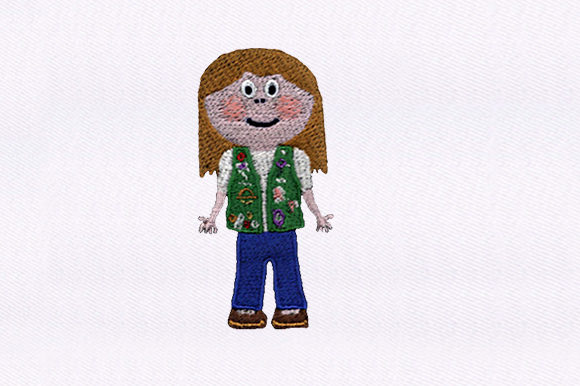
The title Little Scout Girl immediately suggests a theme of adventure, nostalgia, and wholesome charm. In the current market, designs that evoke a sense of story or character tend to perform exceptionally well. Upon inspecting the stitch path, the design feels balanced between decorative and minimal. It does not appear overly dense, which is crucial for maintaining the soft hand feel of high-quality garments and home goods.
For sellers targeting the Boys category or gender-neutral audiences, this design offers versatility. While the title specifies "Girl," the scouting theme often appeals to a broader demographic interested in outdoor motifs. The visual weight of the embroidery suggests it can serve as a focal point without overwhelming the base fabric. This balance is essential for creating a premium look that justifies a higher price point for your finished product.
Product Applications for Maximum Sales
To maximize return on investment, you must pair the right design with the right substrate. Here is how Little Scout Girl performs across various popular craft fair items:
- Tote Bag Design: This is arguably the strongest application. A canvas tote provides a stable, flat surface that showcases the stitch definition perfectly. Customers love personalized or themed bags for farmers' markets, and this design adds immediate character to a plain bag.
- Apron Embroidery: Kitchen linens are perennial bestsellers. Embroidering this design on a half-apron creates a giftable item for teachers, scouts leaders, or cooking enthusiasts. The contrast of thread colors against white or denim aprons creates high visual impact.
- Tea Towel Embroidery: Tea towels are low-risk, high-volume items. However, you must be cautious with fabric texture. Ensure the design is scaled appropriately so the stitches do not pucker the lightweight cotton. A smaller version of Little Scout Girl works beautifully as a corner accent.
- Embroidered Patch: If the design allows for a satin stitch border, turning it into an iron-on or sew-on patch is a brilliant strategy. Patches allow customers to customize their own jackets or backpacks, increasing engagement at your booth.
- Caps and Hats: Curved surfaces are tricky. If you choose to embroider on caps, ensure you use a strong stabilizer and check the stitch density. Too many overlapping stitches on a curved brim can cause distortion. Test thoroughly before selling.
Production Practicality for Small Shop Owners
For the Etsy seller or small shop product creator, time is money. The Little Scout Girl design appears to be optimized for efficiency. The file formats provided—10O, ART, CND, DSB, DST, DSZ, EXP, HUS, JEF, PCS, PEC, PES, TAP, VIP, VP3, XXX—cover nearly every major machine brand. This compatibility means you can scale production across multiple machines if needed.
When preparing for a weekend craft fair, batch production is key. This design seems repeatable. You can hoop multiple tote bags or pillow covers in advance. The clarity of the design at a glance is vital; customers walking by your booth need to understand the motif within seconds. Little Scout Girl achieves this with clear lines and recognizable shapes, making it an effective hook for buyer engagement.
Technical Considerations and Careful-Use Notes
While the design is promising, professional judgment requires attention to technical details. Before launching this as a commercial embroidery product, consider the following:
- Stitch Density: Always check the density settings in your software. High density on textured towels can lead to puckering. Adjust underlay stitches to secure the fabric properly.
- Thread Colors: The choice of thread can make or break the design. For a rustic or farmhouse vibe, use matte cotton threads. For a modern pop, try variegated rays. Ensure high contrast between the thread and the fabric so the details remain visible from a distance.
- Small Details: If the design includes tiny elements like facial features or small text, verify they hold up at smaller hoop sizes. What looks crisp on a 5x7 hoop might blur on a 4x4. Always stitch out a test sample on scrap fabric identical to your final product.
- Stabilizer Selection: Do not skimp on stabilizer. For stretchy fabrics like t-shirts or thin cottons, use a cut-away stabilizer for durability. For woven fabrics like tote bags, a tear-away may suffice, but hooping technique is critical.
Enhancing Brand Consistency and Display Strength
Your booth display is your silent salesman. Using Little Scout Girl consistently across different product types creates a cohesive brand image. Imagine a display featuring a tote bag, a matching tea towel, and a small pouch, all bearing the same charming scout motif. This cross-merchandising encourages customers to buy multiple items.
Furthermore, this design photographs well for online listings. Clean, distinct embroidery stitches create depth and shadow in photos, making your printable mockup and digital assets look professional. For the digital embroidery file seller, providing high-quality mockups of this design on various backgrounds can significantly boost conversion rates.
Final Verdict for the Creative Entrepreneur
The Little Scout Girl machine embroidery design is a strong contender for your next collection. It balances aesthetic appeal with production practicality. It fits seamlessly into the handmade product market, offering versatility for tote bags, aprons, and gifts. However, success lies in execution. Test your hoop size, confirm your stabilizer choice, and ensure your thread colors complement the fabric texture.
Remember, while this review evaluates the design's potential, you must verify the specific license terms included with your purchase. Ensure you have the rights for commercial embroidery sales if you plan to sell finished goods. With careful preparation and a keen eye for detail, this design can become a staple in your craft fair inventory, driving both customer attention and sales revenue.