Wild Lion: A Designer’s Review for Branded Merch
As an embroidery designer who has spent years digitizing artwork for small businesses, I approach every new machine embroidery design with a critical eye. It is not enough for a file to look pretty on a screen; it must perform under the needle. When I first loaded the Wild Lion file into my software, I was looking for more than just aesthetic appeal. I was evaluating its potential as a cornerstone asset for branded merchandise. This review breaks down how this specific digital embroidery file holds up in real-world commercial applications, from boutique patches to staff uniforms.
First Impressions and Visual Personality
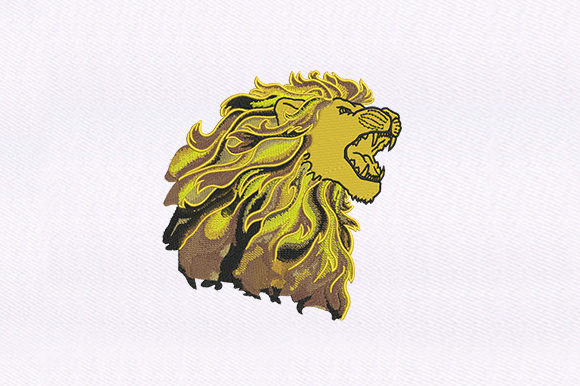
The title Wild Lion suggests strength, courage, and a touch of untamed energy. In the context of Wild Animals within Embroidery, one might expect overly complex fur textures or aggressive detailing. However, for business use, clarity is king. My initial assessment focuses on whether the design feels professional and bold or if it leans too heavily into decorative complexity that could cause production headaches.
A successful brand logo or mascot needs to be instantly recognizable. If Wild Lion maintains clean lines and distinct shapes, it serves as a powerful tool for brand identity. Whether your client runs a rugged outdoor gear shop, a bold coffee roastery, or a creative studio with a fierce attitude, the visual personality of this lion must align with their market positioning. A design that feels premium and modern will elevate perceived value, while one that appears cluttered can detract from professionalism.
Real-World Applications for Small Business Merch
The true test of any embroidery file is its versatility across different substrates. For small business owners, Etsy sellers, and merch creators, the ability to apply a single design across multiple product lines is crucial for visual consistency. Here is how Wild Lion performs in key commercial scenarios:
- Embroidered Patches: This is arguably the best use case. A well-digitized lion makes for a striking iron-on or sew-on patch. It allows customers to buy a standalone handmade product that they can apply to jackets or bags later, increasing your average order value.
- Staff Uniforms and Aprons: For cafes, bakeries, or florists, an apron embroidery featuring a lion adds a unique touch of character. It transforms standard workwear into a statement piece that reinforces team unity and brand pride.
- Cap Embroidery: Placing a lion on the front of a dad hat or trucker cap requires precision. The design must be compact enough to fit the curved surface without distortion. If Wild Lion has a balanced composition, it works exceptionally well here, offering high visibility for local brands.
- Tote Bag Design: Canvas bags are a staple for boutique merchandise. A bold lion centered on a tote creates a walking billboard. The contrast between the thread and the fabric texture is vital here to ensure the image pops.
When using this design for custom apparel or small business merch, consider the emotional connection. A lion symbolizes leadership and protection. For a pet brand or a security firm, this symbolism directly enhances customer trust and recognition.
Technical Considerations and Production Challenges
While the artistic merit is important, the technical execution determines profitability. As a designer, I always warn clients to check specific details before running a full production batch. The product description lists a wide variety of formats, including DST, PES, JEF, and EXP. This broad compatibility is excellent for users with different machine brands, but it does not guarantee optimal stitch quality on every fabric.
One major concern with animal motifs is stitch density. If the lion’s mane is digitized with too many overlapping stitches, it can cause puckering, especially on lighter fabrics like cotton t-shirts or thin tote bags. Conversely, if the density is too low, the backing material may show through, ruining the finished product. I recommend testing the design on a scrap piece of your actual production fabric first.
Another critical factor is size. If you plan to use Wild Lion as a small chest logo on a polo shirt, ensure the details do not merge together. Tiny lettering or intricate facial features can become a blob of thread if scaled down too far. Always create a printable mockup at the intended size to verify legibility. Additionally, consider the hoop size limitations of your machine. While the file may support large hoops, resizing it significantly can alter the stitch angles and tension, requiring manual adjustments in your digitizing software.
For dark uniforms, such as navy or black chef coats, you must evaluate thread colors. A multi-colored lion might require excessive thread changes, slowing down production. Simplifying the color palette or using a monochrome version can streamline the process while maintaining a sleek, professional look.
Enhancing Brand Identity and Customer Engagement
Beyond the mechanics of stitching, Wild Lion serves as a strategic design asset. Consistent use of a strong mascot across your commercial embroidery projects builds brand recall. When a customer sees the same lion on their receipt holder, their coffee cup sleeve, and their employee’s apron, it creates a cohesive narrative. This visual consistency signals professionalism and attention to detail.
For handmade brands, offering items with this design can differentiate you from competitors using generic clipart. It shows that you have invested in unique, high-quality graphics. This perception of exclusivity can justify higher price points and foster deeper buyer engagement. Customers are not just buying a hat; they are buying into the identity that the lion represents.
Practical Designer Notes for Best Results
To ensure the best outcome when using Wild Lion, follow these practical steps derived from years of shop experience:
- Test in Black and White First: Before committing to expensive colored threads, stitch out the design in black thread on white fabric. This reveals any gaps, overlaps, or structural issues in the digitizing without the distraction of color.
- Check Stabilizer Requirements: Animal designs often benefit from a cut-away stabilizer for durability, especially if the item will be washed frequently. Hoop-and-stick methods may not provide enough support for dense areas like a lion’s mane.
- Verify Commercial Licensing: Although the file formats are provided, always confirm the license terms. Ensure you have the right to use the design for commercial embroidery and resale. Never assume a free or low-cost file includes commercial rights unless explicitly stated.
- Compare With Other Assets: Place the stitched lion next to your existing logos and fonts. Does it clash stylistically? Ensure it complements your overall brand aesthetic rather than competing with it.
- Inspect Spacing and Jump Stitches: Check the file for excessive jump stitches that need trimming. Clean finishing is a hallmark of premium merchandise.
In conclusion, Wild Lion has the potential to be a versatile and impactful addition to your library of design assets. By carefully managing technical variables like fabric texture, stabilizer choice, and scale, you can transform this digital file into a tangible driver of brand value. Whether used for a subtle sleeve detail or a bold back patch, this design offers the strength and presence needed to make your small business merchandise stand out in a crowded market.