Schooner Sailing Ship Lineart: A Designer’s Review
As an embroidery designer who spends countless hours digitizing and testing files, I have learned that not all machine embroidery design assets are created equal. Some are overly complex, others lack structural integrity, and many simply do not translate well from screen to fabric. Recently, I came across the Schooner Sailing Ship Lineart on Creative Fabrica and decided to put it through its paces. My goal was not just to look at the preview images, but to evaluate whether this digital asset holds up under the needle for real-world commercial projects.
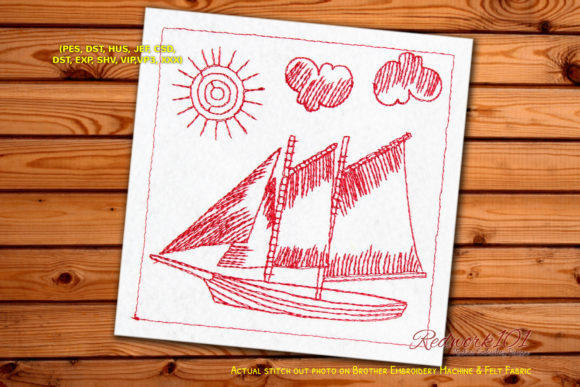
The first impression of this design is one of nautical elegance. Unlike heavy, filled-in logos that can weigh down lightweight fabrics, this line art approach offers a delicate, vintage aesthetic. It captures the spirit of the Beach category without resorting to clichéd palm trees or bright, saturated colors that might clash with a sophisticated brand palette. For designers looking to expand their portfolio with timeless maritime motifs, this piece stands out for its clean lines and classic silhouette.
Visual Appeal and Stitching Personality
The visual mood of the Schooner Sailing Ship Lineart is understated yet striking. In the world of Embroidery, less is often more, especially when working with detailed subjects like sailing vessels. This design relies on precision rather than volume. The lines suggest movement and grace, making it an excellent choice for customers who prefer subtle branding over loud statements.
When reviewing the stitch path, I noticed that the design avoids excessive fill stitch areas, which is a significant advantage. Heavy fill stitches can cause puckering on thin materials and add unnecessary bulk. Instead, this design likely utilizes a combination of running stitch and potentially light satin stitch elements to define the sails and hull. This approach ensures that the final finished product remains soft to the touch, a critical factor for apparel and baby items.
Real-World Application for Handmade Businesses
For Etsy sellers and small business owners, versatility is key. I evaluated how this design would perform across various popular handmade products. Here is where I see the most potential:
- Tote Bag Design: Canvas totes are a staple for beachgoers. The linear nature of the ship pairs beautifully with natural cotton or linen fabrics, creating a rustic, artisanal look.
- Sweatshirt Embroidery: Placed on the left chest of a navy or heather grey sweatshirt, this design adds a preppy, coastal vibe without overwhelming the garment.
- Kitchen Towels and Aprons: For home decor enthusiasts, this motif works wonderfully on white or cream-colored linens, evoking a seaside cottage feel.
- Custom Apparel: It is ideal for men’s button-down shirts or polo shirts where a smaller, refined logo is preferred over large graphic prints.
The design also lends itself well to personalized gift markets. Imagine pairing this schooner with a monogram or a family name for a nursery decor piece or a commemorative gift for a sailing enthusiast. The simplicity of the line art allows room for additional text without creating a cluttered composition.
Technical Considerations and Fabric Compatibility
While the aesthetic is appealing, practical execution requires careful attention to detail. As a professional, I always advise checking the specific file details before purchasing, as the product description notes that the box stitch shown in pictures is optional and color directions may vary. However, based on general principles of line art embroidery, here are some technical insights.
Stitch Density and Fabric Choice: Because this is a line-based design, stitch density is generally lower than filled logos. This makes it suitable for lighter weight fabrics like jersey knits or voile, provided you use the correct stabilizer. For stretchy fabrics, a cut-away stabilizer is essential to prevent distortion during washing. On heavier materials like denim or canvas, a tear-away stabilizer usually suffices, but testing is always recommended.
Hoop Size and Placement: One of the benefits of this design is its scalability. It likely fits within standard hoop size limits, such as 4x4 or 5x7 inches, making it accessible for most home embroidery machines. However, if you plan to scale it up significantly for a pillow cover or wall hanging, ensure that the line thickness remains visible. Extremely thin lines can get lost if the design is enlarged beyond its intended proportions.
Thread Colors: The success of this design hinges on contrast. On dark fabrics, use a high-contrast thread color like white, gold, or silver to make the ship pop. On light fabrics, navy blue, charcoal, or deep green threads will provide a crisp, defined look. Avoid using thread colors that blend too closely with the fabric, as the fine details of the rigging and sails may become indistinguishable.
Enhancing Product Value and Brand Consistency
Incorporating high-quality design assets like the Schooner Sailing Ship Lineart can significantly elevate your brand perception. Customers associate clean, well-executed embroidery with higher quality and attention to detail. When used consistently across your product line, such as on embroidered patch labels, packaging, or main garments, it builds trust and recognition.
For those selling commercial embroidery products, this design offers a professional finish that appeals to a broad demographic. It is not overly childish nor excessively masculine, giving it a unisex appeal that broadens your target market. Furthermore, the clean lines make it easier to photograph for online listings. Unlike textured fills that can create glare under studio lights, line art photographs clearly, showcasing the precision of your work in printable mockup galleries and social media posts.
Practical Tips for Best Results
Before committing to a large production run or listing this item in your shop, follow these best practices:
- Test on Scrap Fabric: Always stitch out a test sample on the same type of fabric you intend to use for the final product. Check for thread breaks or nesting.
- Review File Details: Since the product description mentions optional box stitches and variable color directions, download the file and inspect it in your embroidery software. Confirm the digital embroidery file format matches your machine.
- Check Licensing: Ensure you understand the licensing terms on the Creative Fabrica product page. Most designs allow for commercial use of finished physical items, but it is crucial to verify this to protect your business.
- Inspect Small Details: After stitching, examine the fine lines of the ship’s rigging. If they appear loose or messy, adjust your tension or try a different needle size.
- Compare Mockups: Create mockups on both light and dark backgrounds to see how the design performs visually. This helps in marketing the item effectively to different customer segments.
In conclusion, the Schooner Sailing Ship Lineart is a versatile and stylish addition to any embroidery designer’s library. Its clean aesthetic, combined with practical stitch efficiency, makes it a strong candidate for a wide range of handmade product applications. Whether you are creating custom gifts, boutique merchandise, or seasonal decor, this design offers the professional polish needed to stand out in a crowded marketplace. By paying attention to fabric choice, stabilizer selection, and thread contrast, you can transform this digital file into a tangible, high-value item that resonates with customers who appreciate the charm of the sea.