Reviewing I Love My Dad Girl Redwork for Real Projects
As a designer who spends more time staring at stitch simulations than I do sleeping, I have learned that not all digital files are created equal. Some designs look fantastic on a screen but turn into a tangled mess of thread breaks and puckering on fabric. Others, like I Love My Dad Girl Redwork, offer a refreshing simplicity that translates beautifully from the monitor to the hoop. When I first pulled up this file, my immediate reaction was one of appreciation for its clean lines and emotional clarity. It is not trying to be overly complex; instead, it relies on strong typography and a classic redwork aesthetic to deliver its message.
The mood this design creates is warm, nostalgic, and undeniably sweet. It fits perfectly into the category of heartfelt personalization, making it an ideal candidate for Father S Day projects or any occasion where we celebrate paternal bonds. The visual personality is approachable and friendly, lacking the sharp, aggressive edges that sometimes plague modern vector-style embroidery. For small business owners and Etsy sellers, this is a crucial distinction. Customers buying personalized gifts are often looking for something that feels handmade and tender, not industrial. This design hits that mark with precision.
Real-World Application: The Custom Tote Bag Test
To truly evaluate a machine embroidery design, you have to imagine it in a real-life scenario. I recently considered using I Love My Dad Girl Redwork for a line of custom canvas tote bags aimed at young children giving gifts to their fathers. Canvas is a forgiving fabric, but it has a distinct texture that can swallow up fine details. Because this design utilizes a redwork style—typically characterized by running stitches or simple outlines rather than dense fill stitches—it performs exceptionally well here. The open nature of the design allows the texture of the canvas to show through, creating a breathable, integrated look rather than a heavy patch of thread sitting on top of the material.
If you are planning to use this on a sweatshirt or a soft cotton t-shirt, the results are equally promising. The lack of heavy satin stitch borders means there is less risk of the fabric pulling or distorting, which is a common issue with dense embroidery on stretchy knits. For a craft business owner, this reliability is gold. It means fewer rejected items, less time spent re-hooping, and a higher consistency in your finished product. Whether you are creating embroidered patches for a boutique brand or adding a personal touch to aprons for a holiday gift, the design’s versatility shines.
Navigating Fabric and Hoop Constraints
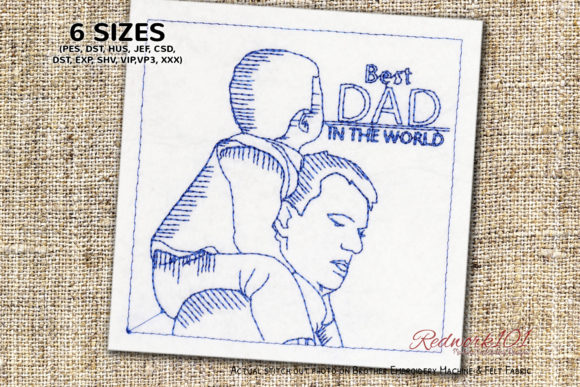
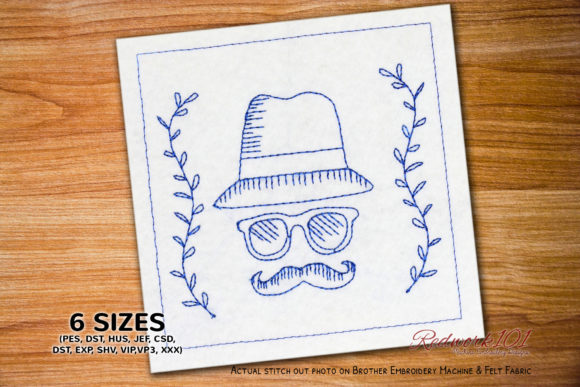
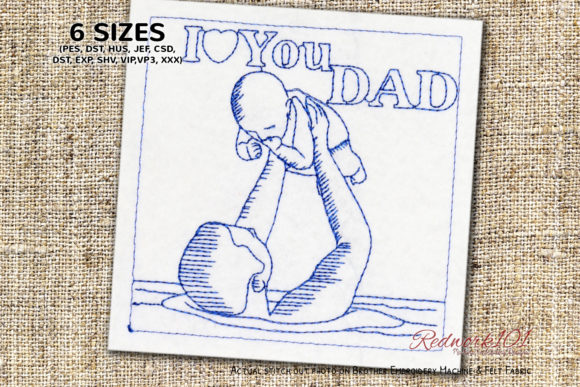
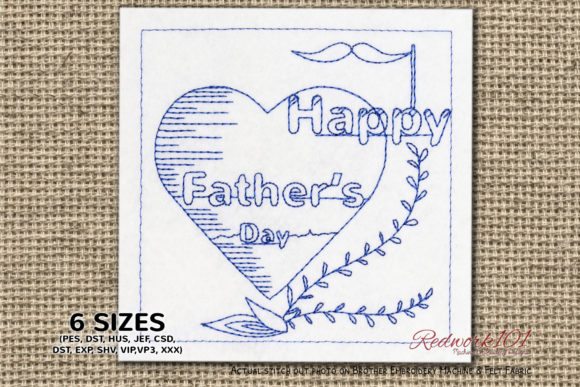
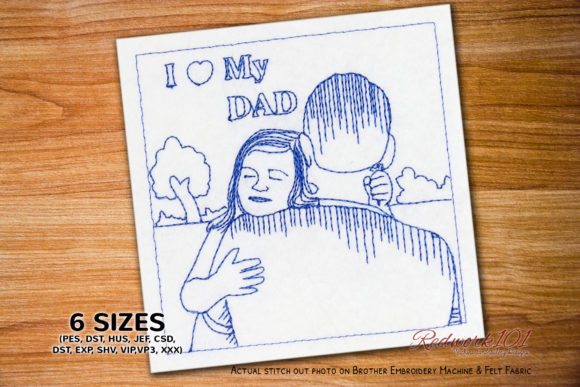
While I Love My Dad Girl Redwork is robust, it is not without its technical considerations. The product description notes that the box stitch shown in promotional pictures is optional and that the outer box color may differ or be skipped entirely. This flexibility is a double-edged sword. On one hand, it allows you to customize the look; on the other, it requires you to make deliberate design choices. If you choose to include the box, ensure your hoop size is adequate. Crowding a design near the edge of a 4x4 hoop, for instance, can lead to framing issues and uneven stitching.
When working with dark fabrics, thread color contrast becomes your most important tool. Redwork traditionally uses a single color, often red, on white or light fabric. If you are stitching this on a navy blue shirt or a black cap, you must adjust your thread colors to maintain visibility. A bright white or yellow thread might work better than traditional red, depending on the background. Always test your design on scrap fabric first. This is non-negotiable for professional embroidery. Check how the stitch density interacts with your specific stabilizer choice. For lighter fabrics, a cut-away stabilizer might provide the necessary support without adding bulk, while a tear-away could suffice for sturdy denim or canvas.
Be cautious with textured fabrics like terrycloth towels or fluffy fleece. The fine lines of the text in I Love My Dad Girl Redwork could get lost in the pile if the stitches are too short or the tension is too loose. In these cases, using a topping stabilizer can help keep the stitches visible and crisp. Additionally, if you are applying this to curved surfaces like caps, ensure your digitizing software has properly accounted for pull compensation, although redwork designs generally suffer less from distortion than fill-heavy designs.
Enhancing Visual Appeal and Brand Value
From a branding perspective, this design offers high value due to its clarity. In the world of online sales, particularly for Etsy sellers and digital product creators, the thumbnail image is everything. A clean, legible design like this photographs well. It does not require complex lighting to look good. When you create printable mockups or digital previews, the simplicity of the layout ensures that the message "I Love My Dad" is instantly readable even at small sizes. This readability builds customer trust. Buyers feel confident that the final embroidered item will match the preview.
The design also supports brand consistency. If your shop specializes in minimalist, heartfelt gifts, this file aligns perfectly with that aesthetic. It does not clash with other products; rather, it complements a cohesive collection. For commercial embroidery projects, speed is often a factor. Redwork designs typically stitch out faster than complex fill designs because they use fewer stitches per square inch. This efficiency can improve your profit margins, allowing you to produce more units in less time without sacrificing quality.
Practical Notes for the Embroidery Designer
Before you commit to selling finished items or including this in a digital bundle, there are several practical steps you should take. First, verify the license terms. Just because a file is available for purchase does not automatically grant you the right to sell unlimited physical products or redistribute the digital embroidery file itself. Confirm whether the license covers commercial use for physical goods.
- Test Stitch Density: Run the design on your actual machine. Simulators are helpful, but real threads behave differently. Look for any areas where the thread might bunch up or where jumps are excessive.
- Check Thread Contrast: As mentioned, test various thread colors against different fabric backgrounds. What works on white cotton may vanish on heather gray.
- Inspect Small Details: Zoom in on the lettering. Are the connections between letters secure? Is the font legible at smaller sizes?
- Evaluate the Optional Box: Decide if the optional box adds value to your specific project. Sometimes, removing it creates a more modern, floating look that appeals to contemporary buyers.
- Stabilizer Selection: Match your stabilizer to your fabric. Do not guess. A poor stabilizer choice can ruin even the best-designed file.
In conclusion, I Love My Dad Girl Redwork is a solid addition to any designer’s library. It is not flashy, but it is effective. It respects the limitations of embroidery machines while maximizing emotional impact. For hobbyists, it is a joyful project to stitch for family. For professionals, it is a reliable asset that can drive sales during peak gifting seasons. By understanding its strengths and respecting its technical requirements, you can ensure that every stitched piece reflects the quality and care your customers expect.