Review: Home Sewing Machine Design for Business
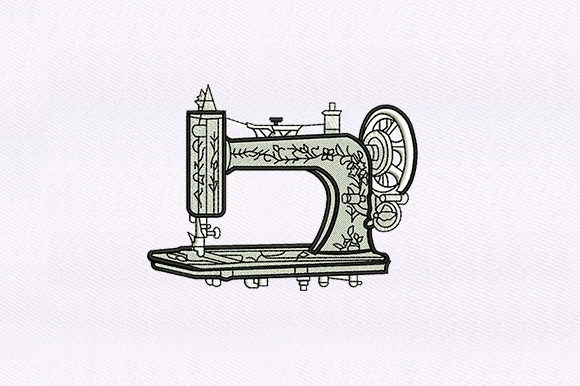
As an embroidery designer who has spent years digitizing and testing files for commercial use, I approach every new machine embroidery design with a critical eye. It is not just about whether the art looks pretty on a screen; it is about how it performs under the needle, how it wears after fifty washes, and how it elevates a brand’s perceived value. Recently, I evaluated the Home Sewing Machine Design, a file that promises intricate beauty for those who love the craft. For small business owners, Etsy sellers, and apparel decorators, this review breaks down whether this design belongs in your digital library of design assets.
First Impressions: Visual Personality and Brand Fit
The initial appeal of the Home Sewing Machine Design lies in its thematic resonance. The description notes that it is "beautiful and intricate," suggesting a level of detail that appeals to creatives. Visually, this design leans heavily into a nostalgic, handmade aesthetic. It feels warm, inviting, and deeply connected to the tradition of craft. For businesses in the creative sector—such as boutique fabric shops, local sewing studios, or artisanal bakeries—this visual personality is a powerful tool. It does not scream "corporate"; instead, it whispers "carefully crafted."
However, intricacy can be a double-edged sword in commercial embroidery. While the design looks stunning on high-resolution mockups, the real test is how those fine lines translate to thread. In my assessment, this design works best for brands that want to project authenticity and warmth. It is less suitable for ultra-modern, minimalist tech brands but perfect for lifestyle brands that rely on a connection to heritage and home.
Real-World Applications for Small Business Merch
When considering small business merch, versatility is key. Here is how I envision the Home Sewing Machine Design performing across various products:
- Embroidered Patches: This is perhaps the strongest use case. An intricate design often gets lost on direct-to-garment embroidery if the fabric is textured. By turning this into an embroidered patch, you create a durable, premium add-on that can be ironed or sewn onto denim jackets, canvas totes, or aprons. It allows for higher stitch density without puckering the base garment.
- Apron Embroidery: For cafes, florists, or pottery studios, staff uniforms are walking billboards. Placing this design on the chest pocket of a heavy cotton apron adds a touch of elegance. It signals to customers that the staff takes pride in their craft, reinforcing trust and professionalism.
- Tote Bag Design: Canvas tote bags are a staple for retail shops. Because canvas has a loose weave, a detailed design needs proper stabilization. If executed correctly, this design serves as a central focal point, transforming a simple bag into a desirable handmade product that customers are proud to carry.
- Cap Embroidery: Use caution here. The curved surface of a cap distorts wide designs. If the Home Sewing Machine Design has a wide horizontal footprint, it may need to be resized significantly, which could compromise the "intricate" details. It is better suited for the side panel or the back of a structured cap rather than the front crown.
Technical Considerations for Production
Before running a production batch, any experienced embroiderer knows that technical specs matter more than aesthetics. The product description mentions that the file comes with "multiple" options, which likely refers to sizes or formats, but it does not specify stitch count or exact hoop requirements. This ambiguity requires due diligence.
Stitch density is the primary concern with intricate designs. If the digitizer has packed too many stitches into a small area, the result will be stiff and prone to thread breaks. I recommend running a test stitch-out on a scrap piece of fabric similar to your final product. Pay close attention to thread colors. Intricate designs often rely on subtle shading. Ensure your thread chart matches the intended contrast, especially if you are stitching on dark uniforms where visibility is crucial.
Furthermore, consider the hoop size. If the design is large, you will need a larger hoop, which limits the types of garments you can embroider easily. For small items like baby clothes or narrow tote straps, a smaller version of the design is essential. Always check if the scaled-down version retains its clarity or if the details merge into a blob of thread.
Strategic Branding and Customer Trust
Why invest in a specific embroidery file like this? Because consistency builds brand identity. When a customer sees the same high-quality emblem on your packaging, your website, and your physical merchandise, it creates a cohesive narrative. The Home Sewing Machine Design acts as a seal of quality. It suggests that your business values tradition and detail.
For Etsy sellers and crafters, using such a design on product labels or hang tags can increase the perceived value of the item. A simple t-shirt becomes a collector's item when adorned with a well-executed, intricate emblem. This emotional connection drives buyer engagement and encourages social sharing, which is vital for organic growth.
Practical Designer Notes for Best Results
To ensure the Home Sewing Machine Design delivers a professional finished product, follow these steps before full-scale production:
- Test in Black and White: Before committing to colorful threads, stitch the design in black thread on white fabric. This reveals any gaps in coverage or issues with spacing that color might hide.
- Check Stabilizer Compatibility: Intricate designs require robust support. Use a cut-away stabilizer for stretchy fabrics like jersey tees to prevent distortion over time. For woven fabrics like twill or canvas, a tear-away may suffice, but test first.
- Create a Printable Mockup: Use digital tools to place the design on various product images. Show these mockups to clients or use them in your online store to gauge interest before stitching a single thread.
- Verify Commercial Licensing: The description does not explicitly state license terms. Never assume a digital embroidery file is free for commercial use. Contact the seller or check the documentation to confirm you have the right to sell items featuring this design.
- Assess Fabric Texture: Avoid using this highly detailed design on fluffy towels or fuzzy fleece unless you use a topping sheet. The texture of the fabric can swallow fine stitches, making the design look messy.
Final Verdict for Work and Embroidery Professionals
The Home Sewing Machine Design is a strong contender for businesses rooted in creativity and craftsmanship. It shines brightest as an embroidered patch or a centerpiece on sturdy fabrics like canvas and denim. While it requires careful handling regarding stitch density and sizing, its ability to convey warmth and professionalism makes it a valuable asset for custom apparel and branded merchandise.
For those in the Work category of creative industries, this design offers a way to differentiate your brand from generic competitors. By treating the embroidery process with the respect it deserves—testing, stabilizing, and refining—you can turn this digital file into a tangible symbol of your business’s quality. Always prioritize checking the specific file details, such as format and stitch count, to ensure it aligns with your machine’s capabilities. When used wisely, this design does more than decorate; it communicates your brand’s story.