Playing Saxophone Design: A Holiday Review
As an embroidery designer who spends countless hours digitizing and testing files for seasonal collections, I approach every new machine embroidery design with a critical eye. The holiday season is not just about red and green; it is about capturing moods, memories, and the specific tastes of our customers. When I first loaded the Playing Saxophone Design into my software, I was looking for more than just technical precision. I was looking for soul. Does this design have the warmth to sell during the colder months? Can it transition from a jazz club vibe to a cozy family gathering? After extensive testing and mockup creation, I am ready to share my professional review of how this Music-themed piece fits into a profitable seasonal product line.
First Impressions: Mood and Aesthetic Appeal
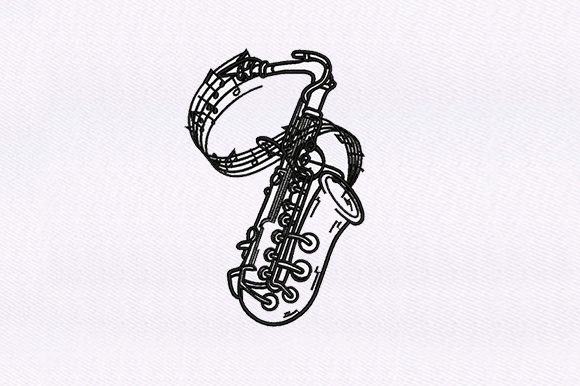
The immediate impression of the Playing Saxophone Design is one of nostalgic elegance. Unlike some holiday motifs that lean heavily into the cute or the chaotic, this design offers a sophisticated, rhythmic energy. It feels playful yet refined, making it versatile for a wide demographic. For Etsy seller accounts targeting adults or music lovers, this is a significant advantage. The lines are clean, suggesting a modern touch, but the subject matter evokes a rustic, timeless charm associated with classic jazz and winter lounge music.
From a decorative standpoint, the design balances detail with readability. It does not rely on excessive satin stitches that might bulk up the fabric, nor does it use such sparse running stitches that it looks unfinished. This balance is crucial for seasonal embroidery, where customers often seek items that feel premium without being overly ornate. The emotional tone is warm and inviting, perfect for creating products that serve as conversation starters at holiday parties or thoughtful additions to a home decor collection.
Strategic Product Applications for the Holidays
When planning a small shop product drop, versatility is key. The Playing Saxophone Design shines across multiple categories. Here is how I envision this embroidery file performing in real-world selling situations:
- Sweatshirt Embroidery: This is perhaps the strongest application. Placed on the left chest of a high-quality hoodie or crewneck, the design creates an instant "vintage band tee" aesthetic. It appeals to customers looking for unique handmade gift options that stand out from mass-produced retail apparel.
- Tote Bag Design: Canvas totes are holiday staples for gift-giving. The saxophone motif adds an artistic flair, making the bag suitable for carrying books, vinyl records, or grocery runs. It transforms a utility item into a statement piece.
- Kitchen Towel Embroidery: For the hostess who loves to entertain, embroidering this design on linen or cotton towels adds a touch of bistro-style charm. It pairs beautifully with holiday dinner parties featuring live music or jazz playlists.
- Pillow Cover Accents: A single saxophone motif on a neutral-toned pillow cover can anchor a living room’s holiday decor. It suggests a cozy evening in, listening to records, which is a powerful sensory marketing angle.
- Embroidered Patch: If you offer iron-on or sew-on patches, this design is ideal. Patches are low-commitment purchases that allow customers to customize denim jackets or backpacks, increasing the perceived value of your commercial embroidery offerings.
Navigating Technical Challenges and Fabric Choices
While the design is visually striking, practical execution requires attention to detail. As a designer, I must advise caution regarding stitch density and fabric compatibility. The saxophone shape has curves and potentially intricate details depending on the digitizing style. When stitching on thick materials like terry cloth towels, ensure your needle is sharp enough to penetrate without causing puckering. Conversely, on stretchy garments like performance fleece sweatshirts, using the correct stabilizer is non-negotiable. A cut-away stabilizer is often recommended for garments that will be washed repeatedly, ensuring the design retains its shape and does not distort over time.
Another consideration is thread colors. While the default colorway in the digital embroidery file may be standard, do not hesitate to experiment. For a holiday twist, consider using metallic gold or bronze threads for the saxophone body against a deep navy or burgundy fabric. However, test these metallic threads carefully, as they can be brittle and may break if the stitch count is too high or the tension is too tight. Always run a test stitch on a scrap piece of your actual fabric texture before committing to a final finished product.
Maximizing Sales Through Visual Storytelling
In the crowded online marketplace, how you present the Playing Saxophone Design matters as much as the stitch quality. Create realistic printable mockup images that show the design in context. Show the sweatshirt being worn by someone holding a mug of hot cocoa, or the tote bag filled with wrapped gifts. These visuals help buyers imagine the product in their own lives, enhancing the giftability factor.
For personalized gift options, consider adding a name or a year below the saxophone. Ensure that any added lettering is large enough to be legible and uses a font that complements the musical theme. This customization can significantly increase the perceived value and allow you to charge a premium price. Remember, customers are not just buying an embroidery pattern; they are buying a feeling of connection and uniqueness.
Essential Designer Notes for Best Results
Before you list this item in your shop, keep these practical tips in mind to ensure customer satisfaction and brand consistency:
- Check Hoop Size: Verify the hoop size requirements for each format. The product description lists formats like DST, PES, JEF, and VIP, among others. Ensure your machine can accommodate the largest version of the design if you plan to offer multiple sizes.
- Review File Formats: The available formats include 10O, ART, CND, DSB, DST, DSZ, EXP, HUS, JEF, PCS, PEC, PES, TAP, VIP, VP3, and XXX. Confirm that you are sending the correct file type to your machine to avoid conversion errors that can alter stitch paths.
- Test on Dark Fabric: If you plan to sell dark-colored apparel, test the design with a lighter underlay or adjust thread shades to ensure visibility. Contrast is key for visual recognition.
- Commercial Licensing: Always confirm the license terms associated with the digital embroidery file. Ensure you have the right to sell finished products made with this design, especially during high-volume seasons like holidays.
- Quality Control: After stitching, inspect the back of the embroidery. Trim loose threads and ensure no jumps are visible. A clean finish builds customer trust and encourages repeat business.
Final Verdict on Seasonal Viability
The Playing Saxophone Design is a strong contender for any holiday embroidery collection that aims to transcend traditional motifs. It offers a blend of artistic flair and commercial viability. By focusing on high-quality materials, proper stabilization, and compelling visual marketing, you can turn this single design into a bestseller. It appeals to the music lover, the jazz enthusiast, and the seeker of unique, handcrafted items. In a season defined by giving, this design provides a meaningful way to express personality and taste through the art of Embroidery.