Macaw Bird Design: A Crafter’s Review
As an embroidery designer who has spent countless weekends behind a craft fair table, I know that the difference between a browser and a buyer often comes down to visual impact. When I first loaded the Macaw Bird Design into my software, my immediate thought was about visibility. In a crowded market hall, you have seconds to catch a customer’s eye. This design does not whisper; it shouts with tropical vibrancy. It feels bold, modern, and undeniably cheerful. For those of us running small shop products or Etsy stores, finding a digital embroidery file that translates well from screen to fabric is crucial. This review breaks down how this specific bird motif performs in real-world production scenarios.
First Impressions and Visual Appeal
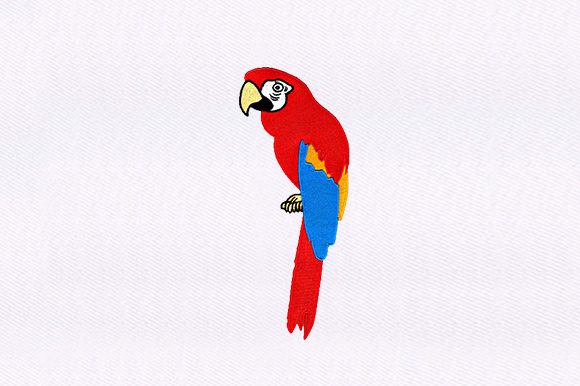
The Macaw Bird Design leans heavily into a decorative and premium aesthetic. Macaws are naturally striking creatures, and a well-digitized version of one serves as an instant focal point. Unlike subtle farmhouse florals or minimal geometric shapes, this design demands attention. It feels festive without being tied to a specific holiday, making it a year-round contender for handmade product lines. The color potential here is immense. While the final look depends on your thread colors, the subject matter invites rich reds, blues, yellows, and greens. This high-contrast palette is excellent for booth display strength, as it pops against neutral backgrounds like canvas, denim, or white cotton.
For creative entrepreneurs, the emotional connection is key. Birds often symbolize freedom and joy, which resonates well with buyers looking for uplifting home decor or accessories. The design feels approachable yet sophisticated enough to justify a higher price point on finished goods. It is not just a cute add-on; it is a statement piece that can define the entire vibe of a collection.
Product Applications for Craft Fairs
When planning my inventory for a weekend craft fair, I always categorize designs by their best surface application. Here is how I see the Macaw Bird Design performing across various items:
- Tote Bag Design: This is arguably the strongest candidate. A large canvas tote provides ample space for the macaw to shine. The sturdy fabric supports the stitch density required for such a detailed bird, and the flat surface ensures the design remains clear and undistorted. Customers love personalized, artistic bags, and this design turns a simple utility item into a fashion accessory.
- Apron Embroidery: Kitchen and garden aprons are steady sellers. Placing the macaw on the bib or the lower corner adds a whimsical touch. However, ensure the placement avoids high-wear areas where constant washing might fray the threads.
- Tea Towel Embroidery: Tea towels are tricky due to their loose weave. If you choose this route, you must use a heavy cut-away stabilizer. The design works best if it is not too dense, allowing the towel to remain absorbent. A smaller version of the macaw could work as a charming accent near the hem.
- Embroidered Patch: Creating iron-on or sew-on patches is a fantastic way to utilize this design. Patches allow customers to customize their own jackets or bags. Since patches are stitched on stable backing before application, you can achieve high detail without worrying about fabric puckering.
- Caps and Hats: Curved cap surfaces are challenging for large, wide designs. If the macaw is wide, it may distort over the front panel of a baseball cap. I recommend checking the width against your standard cap hoop. If it fits, it creates a bold, boutique-style look that stands out in a sea of plain hats.
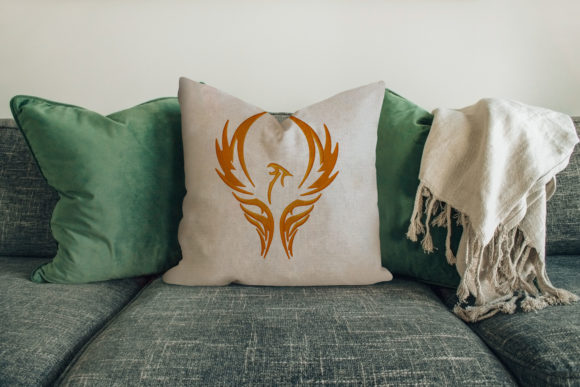
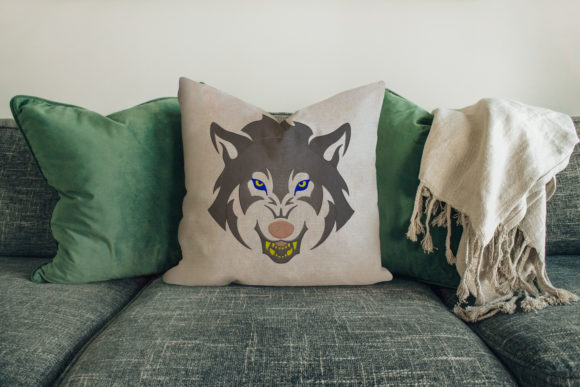
- Pillow Covers: Home decor items like pillow covers benefit from the premium feel of this design. Centered on a solid-colored linen or cotton cover, the macaw becomes art. This appeals to buyers looking for unique, handmade gifts that elevate their living space.
Production Practicality and Batch Selling
For embroidery business owners, time is money. The Macaw Bird Design needs to be evaluated for repeatability. Is it quick to hoop? Does it require excessive trimming? Generally, bird designs involve varied stitch directions to mimic feathers. This can mean more thread breaks or trims if not digitized efficiently. Before committing to a large batch, run a test on scrap fabric. Check the stitch density carefully. If the design is too dense, it may become stiff and board-like, which detracts from the softness expected in handmade products. Conversely, if it is too light, the fabric might show through, ruining the visual impact.
Photography is another critical factor. This design photographs exceptionally well for online listings. The distinct shapes and vibrant colors translate beautifully in digital photos, helping Etsy sellers create compelling printable mockup images. High-quality photos of the finished product can significantly boost buyer engagement. When listing this as a commercial embroidery product, highlight the versatility of the design assets. Show it on different fabrics to demonstrate its adaptability.
Technical Considerations and Careful Use
While the aesthetic appeal is high, there are technical hurdles to consider. The provided embroidery file formats include 10O, ART, CND, DSB, DST, DSZ, EXP, HUS, JEF, PCS, PEC, PES, TAP, VIP, VP3, and XXX. This wide compatibility is a major plus, ensuring you can use the design with most major machine brands. However, always verify the specific hoop size requirements before purchasing or starting production. A design that is too large for your standard hoop will require re-hooping, which increases the risk of misalignment.
Fabric texture plays a significant role. On textured towels or thick denim, tiny details in the bird’s eye or beak might get lost. If the design includes small lettering or intricate feather tips, consider simplifying the stitch path or increasing the size for better clarity. Dark fabric presents another challenge. If you are stitching a colorful macaw on black fabric, ensure you have a solid underlay or base layer to prevent the dark background from dulling the bright thread colors. Thread contrast is vital; use a bottom thread that matches the top thread or the fabric to keep the back neat and the front vibrant.
Designer Notes for Best Results
- Test on Scrap Fabric: Never skip this step. Run the design on the exact fabric you plan to sell. Check for puckering, thread breaks, and registration issues.
- Check Stabilizer: Use the right stabilizer for the fabric. Cut-away is generally best for stretchy fabrics like t-shirts, while tear-away works for stable wovens like cotton tote bags.
- Review Spacing: Ensure there is enough space between dense areas to prevent needle heating and thread breakage.
- Confirm Commercial Licensing: Before selling finished products, confirm the license terms associated with the digital embroidery file. Most designers allow physical sales but restrict sharing the file itself.
- Create Real Mockups: Stitch one perfect sample and photograph it professionally. Use this image for your Etsy listings and social media marketing to attract potential buyers.
In conclusion, the Macaw Bird Design is a strong contender for craft fair products and handmade markets. Its bold nature makes it ideal for tote bags, patches, and home decor. By paying attention to stitch density, fabric choice, and proper stabilization, you can produce high-quality items that stand out in a competitive marketplace. Whether you are an experienced embroidery business owner or a new creative entrepreneur, this design offers the visual punch needed to drive sales and enhance brand consistency.