Egyptian Bird Pattern Machine: A Designer’s Review
As someone who has spent countless hours staring at digitized files, tweaking tension settings, and unhooping finished pieces to inspect the backside, I approach every new machine embroidery design with a mix of curiosity and caution. We all know that what looks crisp on a screen does not always translate perfectly to fabric. Recently, I had the chance to evaluate the Egyptian Bird Pattern Machine design, and I want to share my practical insights for fellow designers, Etsy sellers, and craft entrepreneurs who are considering adding this piece to their portfolio.
First Impressions and Visual Mood
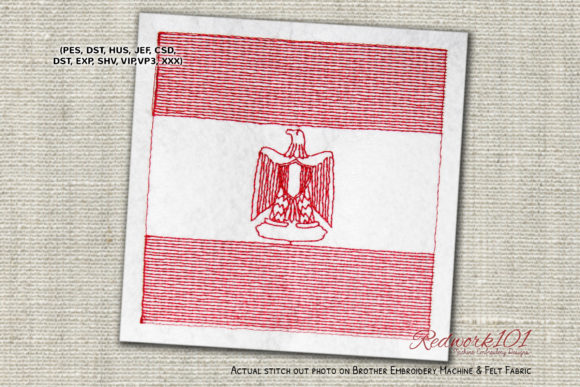
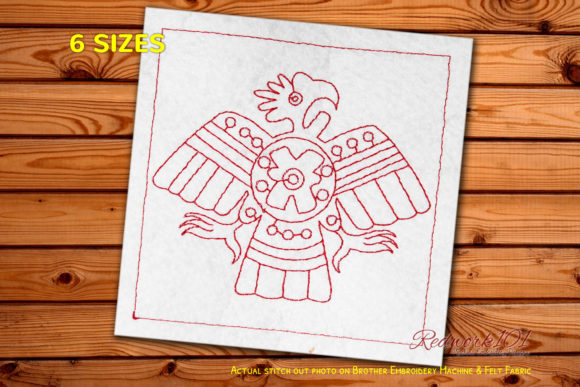
The moment I loaded the file into my editing software, the silhouette caught my eye. There is a distinct elegance to the bird motif, rooted in the artistic traditions of Africa. It feels ancient yet modern, which is a difficult balance to strike in digital art. The lines are clean, suggesting a layout that prioritizes clarity over excessive complexity. This is crucial because overly dense designs often lead to puckering or thread breaks, especially on lighter fabrics.
The mood this design creates is one of sophisticated simplicity. It does not scream for attention with chaotic details; instead, it invites a closer look. For a handmade product, this kind of visual personality is gold. It suggests quality and thoughtfulness, traits that customers actively seek when browsing for personalized gifts or boutique items. Whether you are aiming for a bohemian aesthetic or a minimalist home decor vibe, this pattern fits naturally into both narratives.
Real-World Application: The Tote Bag Test
To truly understand how an embroidery file performs, you have to stitch it out. I decided to test the Egyptian Bird Pattern Machine on a canvas tote bag, a staple item for many small shop products. Canvas is forgiving but can be tricky if the stitch density is too high, as it may cause the fabric to warp.
I used a medium-weight cut stabilizer, which is my go-to for structured bags. The result was impressive. The bird stood out clearly against the natural beige background. I opted for a deep indigo thread to create contrast, and the definition held up beautifully. This experience confirmed that the design works exceptionally well for tote bag designs where durability and visual impact are equally important. It is not just a pretty picture; it is a functional design asset that enhances the perceived value of the finished product.
Versatility Across Products
Beyond tote bags, I see this design thriving in several other categories. For custom apparel, imagine this stitched on the chest of a high-quality sweatshirt. The sweatshirt embroidery market is huge right now, and buyers love subtle, meaningful graphics. The African-inspired theme adds a layer of cultural appreciation and artistic depth that generic clipart lacks.
It also translates well to home goods. A pillow cover or kitchen towel featuring this bird could easily become a bestseller during the holiday season. Holiday embroidery often leans toward traditional motifs, so offering something unique like this can help your Etsy listings stand out in a crowded marketplace. For baby embroidery, however, I would proceed with caution. While the shape is gentle, ensure the stitch count is not too dense for delicate infant skin, and always use soft, breathable fabrics.
Technical Considerations and Stitching Advice
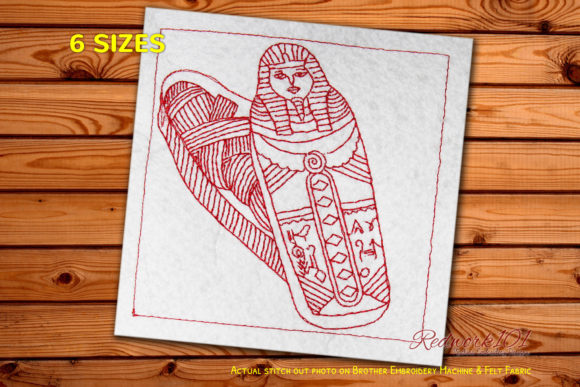
One specific note in the product description mentions that "The Box Stitch shown in picture is optional." This is a critical detail for any professional designer. Optional elements give you flexibility. If you are working on a curved surface like a cap, skipping the outer box might reduce bulk and prevent distortion. Always check whether the design includes these optional components in your specific file format before stitching.
Another point raised is that "The color of outer Box is different color in most of the designs unless it is part of the design itself, you can skip the color direc." This implies that the digitizer has separated color stops logically. As a reviewer, I appreciate this level of control. It allows you to customize the thread colors to match your brand palette or the specific fabric texture you are using. For instance, on dark fabric, you might want to use a satin stitch border in a contrasting metallic thread to make the bird pop, whereas on light fabric, a subtle running stitch might suffice.
Fabric and Hoop Constraints
While the design is versatile, it is not universal. I would hesitate to use this on very thin, stretchy fabrics like jersey without a robust stabilizer setup. The details, while clear, require a stable base to maintain their integrity. If you are creating an embroidered patch, this design is ideal because patches allow for heavy stabilizer use and dense stitching without worrying about garment comfort.
Always confirm your hoop size before starting. Although I do not have the exact dimensions here, typical bird motifs of this style fit well in 4x4 or 5x7 hoops. If you are scaling the design up for a large blanket, check the stitch density. Scaling up can sometimes reveal gaps in fill stitches that were invisible at smaller sizes. Conversely, scaling down too much might merge fine details into a blob, losing the elegant silhouette that makes this design special.
Commercial Value and Brand Consistency
For craft business owners and digital product sellers, the Egyptian Bird Pattern Machine offers more than just aesthetic appeal; it offers brand consistency. Using culturally rich, well-digitized designs signals to your customers that you care about quality. It builds trust. When a buyer sees a clean, professional finish on a personalized gift, they are more likely to return for future purchases.
This design can serve as a cornerstone for a collection. Imagine pairing it with other African-inspired motifs or nature-themed elements to create a cohesive line of design assets. This approach helps in creating printable mockups and digital embroidery file bundles that appeal to other makers or end consumers looking for a curated look.
Final Verdict and Practical Tips
Before you commit to a large production run or list this as a new item in your small shop product lineup, follow these steps:
- Test on scrap fabric: Always stitch a sample on the exact material you plan to use for the final product.
- Check thread contrast: Ensure your chosen thread colors provide enough distinction between the bird and the background.
- Review stitch density: Look at the back of your test stitch. If it is too dense, consider adjusting your machine settings or using a lighter stabilizer.
- Confirm licensing: Before selling finished items or digital products, verify the license terms associated with the file to ensure commercial use is permitted.
- Inspect small details: Zoom in on your monitor and inspect the physical stitch-out for any loose threads or jumps that need trimming.
In conclusion, the Egyptian Bird Pattern Machine is a strong contender for any designer’s library. It balances artistic heritage with modern digitizing standards. It is not just a pattern; it is a tool for creating meaningful, high-quality embroidery projects. Whether you are making a single personalized gift or stocking your online store, this design delivers the professionalism and charm that today’s market demands. Just remember to respect the technical nuances of your fabric and machine, and let the design do the talking.