Cream Coffee Design: A Designer’s Real-World Review
As an embroidery designer who has spent countless hours digitizing, testing, and stitching out thousands of patterns, I have learned that a design’s appeal on a screen is only half the story. The true test happens when the needle hits the fabric. Recently, I evaluated Cream Coffee Design to determine its viability for real-world projects, ranging from boutique apparel to personalized home goods. This review breaks down the aesthetic, technical performance, and commercial potential of this pattern from the perspective of someone who cares deeply about stitch quality and end-product value.
First Impressions and Aesthetic Appeal
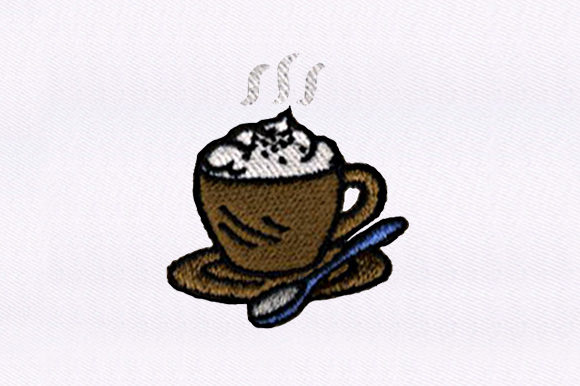
The moment I loaded the file into my editing software, the visual personality of Cream Coffee Design stood out. It captures a cozy, inviting mood that aligns perfectly with current trends in slow living and café culture aesthetics. The layout feels balanced, avoiding the cluttered look that plagues many amateur digitizations. For those of us in the craft business, visual clarity is paramount. This design does not rely on excessive complexity; instead, it uses shape and theme to convey warmth.
The subject matter naturally leans toward the Tea and coffee enthusiast market, but its versatility allows it to transcend specific beverage loyalty. Whether you are targeting morning ritual lovers or afternoon break aficionados, the imagery resonates. The detail level is moderate, which is a significant advantage. Overly intricate designs often lose definition after washing, but this pattern maintains its integrity while remaining soft enough for wearable art. It feels like a design that belongs on a high-quality linen apron or a structured tote bag rather than a chaotic, over-stitched novelty item.
Performance in Real-Life Embroidery Scenarios
To truly understand how a machine embroidery design performs, you must visualize it on various substrates. I mentally projected Cream Coffee Design onto several common products to assess its adaptability.
- Custom Apparel: On a heavyweight sweatshirt, the design would sit beautifully on the left chest or as a larger back piece. The stitch types likely involve a mix of satin and fill stitches, which provide texture without becoming too rigid against the skin.
- Tote Bags and Aprons: This is perhaps the strongest use case. A canvas tote bag offers a stable surface for the embroidery, allowing the thread colors to pop. As a tote bag design, it adds immediate perceived value to a simple blank product.
- Home Decor: Imagine this stitched onto a kitchen towel or a pillow cover. The cozy theme fits seamlessly into nursery decor or a cottage-style kitchen. It works well as holiday embroidery for gift-giving seasons, particularly for hostess gifts.
- Patches and Badges: If scaled down appropriately, this could serve as an adorable embroidered patch. However, scaling requires careful attention to stitch density to prevent thread breaks.
For Etsy sellers and small shop owners, the versatility of this digital embroidery file is a major asset. It allows for the creation of diverse design assets without needing to purchase multiple niche patterns. Whether you are creating baby embroidery items for a shower gift or custom apparel for a local café, the design adapts well to the intended message.
Technical Considerations and Fabric Compatibility
While the aesthetic is strong, practical application requires technical diligence. One must consider where Cream Coffee Design should be used carefully. Embroidery is not one-size-fits-all, and ignoring fabric properties can ruin a finished product.
Fabric Texture and Stability: This design will perform best on medium-to-heavyweight fabrics with a tight weave. Thin or stretchy fabrics, such as lightweight jersey or silk, require robust stabilization. Without a proper cut-away or tear-away stabilizer, the stitches may pucker, distorting the image. Textured fabrics like terry cloth or heavy fleece might obscure finer details, so a test stitch-out is non-negotiable.
Stitch Density and Detail: Although exact stitch counts are not provided in the basic description, the visual complexity suggests a moderate density. On curved surfaces like caps or hats, high-density areas can cause stiffness. If you plan to use this for headwear, ensure your machine can handle the hoop size and that the design is positioned to avoid seam interference. Tiny lettering or intricate corners, if present in the design variant, may merge on dark fabrics if the thread contrast is insufficient.
Color Contrast: The success of this embroidery project relies heavily on thread selection. On dark fabrics, lighter thread colors are essential for visibility. Conversely, on light creams or whites, deeper tones provide necessary definition. I always recommend testing the design in black and white mockups first to ensure the silhouette remains recognizable regardless of color choices.
Commercial Value and Brand Consistency
For creative entrepreneurs, the ultimate question is: Does this design sell? The answer lies in presentation and professionalism. Cream Coffee Design contributes to brand consistency by offering a polished, cohesive look. Customers trust handmade products that exhibit clean stitching and thoughtful design placement. A sloppy embroidery job undermines buyer engagement, but a well-executed version of this pattern enhances the perceived quality of the item.
When used in commercial embroidery contexts, such as boutique branding or promotional merchandise, the design’s approachable nature fosters connection. It is not aggressive or overly corporate; it feels personal. This emotional resonance drives sales for personalized gifts and small batch releases. Furthermore, having a wide range of formats—including DST, PES, JEF, and EXP—ensures compatibility with most major machine brands, reducing friction for multi-machine shops.
Practical Designer Notes for Best Results
Before committing to a full production run or listing a new product, follow these practical steps to ensure success with Cream Coffee Design:
- Test on Scrap Fabric: Always stitch a sample on the exact fabric type you intend to use. Check for puckering, thread breaks, or registration issues.
- Verify File Formats: The product description lists extensive formats like 10O, ART, CND, DSB, DST, DSZ, EXP, HUS, JEF, PCS, PEC, PES, TAP, VIP, VP3, and XXX. Confirm that your specific machine reads the chosen format correctly before transferring the file.
- Check Licensing: If you plan to sell finished items or use the design in digital product previews, confirm the license terms. Some designers allow commercial use for physical goods but restrict digital resale.
- Adjust Hoop Size: Ensure the design fits comfortably within your hoop with adequate margin for framing. Do not crowd the edges.
- Thread Quality: Use high-quality rayon or polyester threads to minimize sheen inconsistency and breakage. The visual appeal of satin and fill stitches depends on smooth thread lay.
In conclusion, Cream Coffee Design is a solid addition to any embroiderer’s library. It balances aesthetic charm with technical practicality, making it suitable for a wide array of handmade products. By respecting the material constraints and following best practices for stabilization and thread selection, you can create items that not only look professional but also resonate with customers seeking warmth and quality in their everyday objects. Whether for a small shop product or a cherished gift, this design holds up under scrutiny and delivers reliable results.